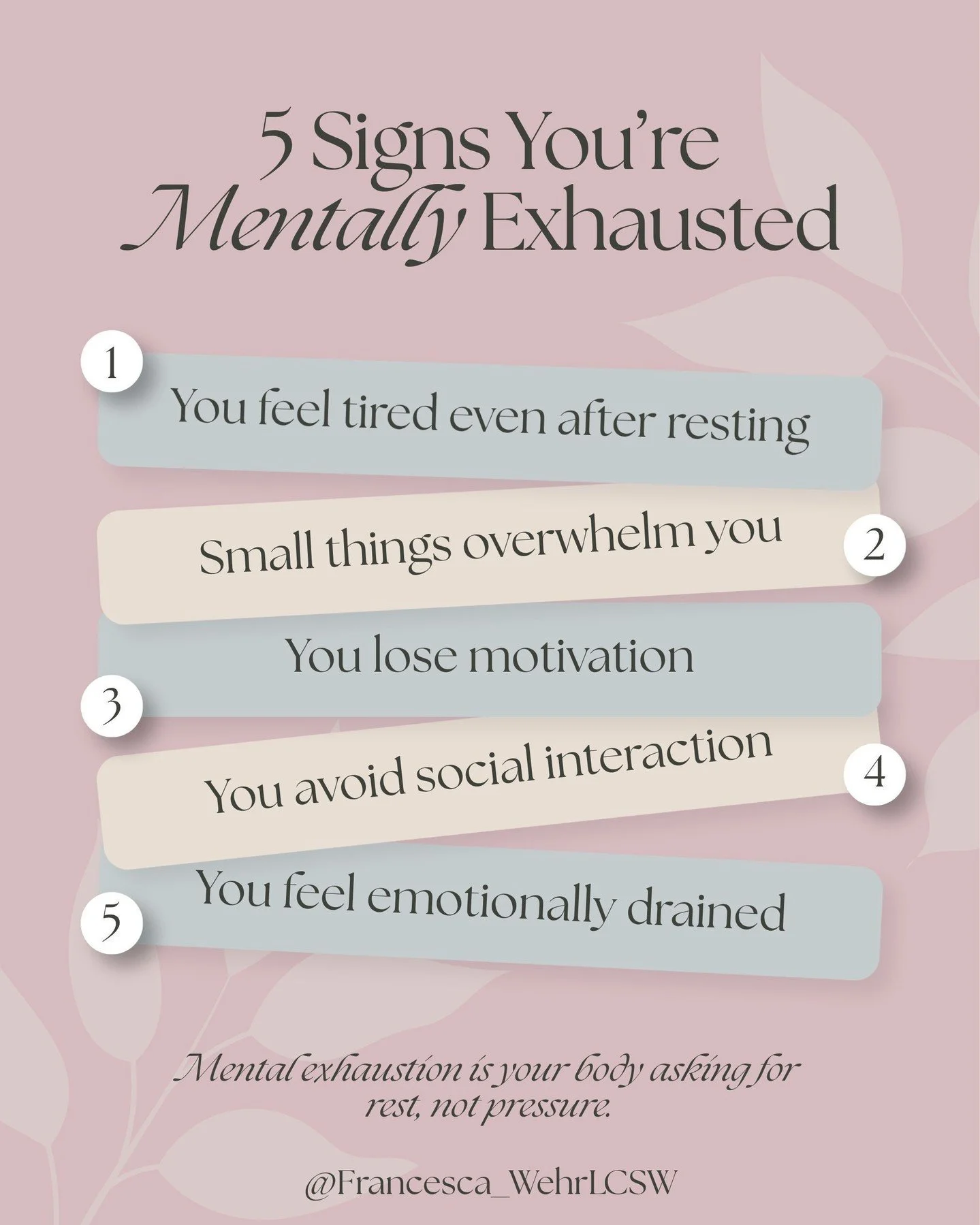
Premenstrual Dysphoric Disorder (PMDD) and Attention-Deficit/Hyperactivity Disorder (ADHD) are two conditions that can have a profound impact on daily life. Individually, they create challenges related to emotional regulation, focus, and executive function. When they co-exist, however, their effects can be amplified, leading to severe mood swings, cognitive dysfunction, and emotional distress.
Despite growing awareness of both conditions, the intersection of PMDD and ADHD remains under-researched and poorly understood. Many women suffer in silence, misdiagnosed or dismissed by medical professionals. This article dives deep into the science behind PMDD and ADHD, the unique challenges faced by neurodivergent women, and evidence-based strategies for symptom management.
Understanding PMDD & Its Impact on ADHD
What Is PMDD?
PMDD is a severe, chronic form of premenstrual syndrome (PMS) that occurs in the luteal phase of the menstrual cycle—the one to two weeks before menstruation. Unlike PMS, which can cause mild discomfort, PMDD is debilitating and significantly impairs daily functioning.
Key Symptoms of PMDD:
Extreme mood swings, including intense irritability and anger
Severe anxiety or panic attacks
Depression, often accompanied by suicidal thoughts
Brain fog, forgetfulness, and difficulty concentrating
Fatigue and low energy levels
Sensory sensitivities (e.g., sound, light, texture discomfort)
Sleep disturbances (insomnia or excessive sleep)
Physical symptoms like headaches, bloating, and muscle pain
Once menstruation begins, symptoms subside, creating a stark contrast between the luteal phase and the rest of the cycle.
How ADHD Affects PMDD Symptoms
ADHD already involves difficulties with emotional regulation, executive dysfunction, and impulsivity. These challenges become more pronounced during the luteal phase, as hormonal shifts further disrupt dopamine and serotonin levels.
Women with ADHD who experience PMDD report:
More frequent and intense emotional outbursts (crying, anger, or panic)
Increased difficulty focusing (even with stimulant medication)
Overwhelm and shutdown episodes (inability to complete even simple tasks)
Heightened rejection sensitivity dysphoria (RSD) (feeling deeply hurt by perceived criticism)
Stronger sensory sensitivities (being unable to tolerate certain textures, sounds, or environments)
The drastic cycle of functioning well for two weeks and then struggling severely for another two weeks creates a rollercoaster effect that can make work, relationships, and self-care extremely challenging.
The Science Behind PMDD and ADHD: Why This Happens
1. Hormonal Fluctuations & Neurotransmitter Dysregulation
Both PMDD and ADHD involve irregularities in dopamine, serotonin, and GABA levels—neurotransmitters essential for mood stability, impulse control, and focus.
Estrogen and dopamine: Estrogen helps regulate dopamine, a neurotransmitter that is already low in people with ADHD. During the luteal phase, estrogen levels drop sharply, leading to a further decline in dopamine and worsening ADHD symptoms.
Progesterone and GABA: Rising progesterone levels can cause increased anxiety, brain fog, and irritability due to its interaction with the GABA system, which is responsible for calming the brain. Many ADHD women experience heightened stress and emotional volatility during this phase.
2. Impaired Emotional Regulation & Rejection Sensitivity Dysphoria (RSD)
Women with ADHD already struggle with emotional dysregulation, making them more susceptible to PMDD’s extreme mood swings.
Rejection-sensitive dysphoria (RSD)—the intense emotional response to perceived criticism or rejection—becomes even more severe during the luteal phase.
This means that during PMDD episodes, an ADHD woman may experience crippling self-doubt, social withdrawal, and emotional outbursts that feel uncontrollable.
3. Increased Executive Dysfunction
ADHD already affects the ability to plan, organize, and complete tasks. With PMDD, these executive functions are further impaired:
Forgetfulness and brain fog make it harder to keep up with responsibilities.
Low energy levels reduce motivation and productivity.
Increased overwhelm leads to procrastination and shutdowns.
This cycle often creates self-blame and frustration, as ADHD women may struggle to understand why their usual coping mechanisms no longer work.
Managing PMDD with ADHD: Effective Strategies
There is no single cure for PMDD or ADHD, but a multi-faceted approach involving medication, lifestyle changes, and support systems can significantly improve quality of life.
1. Medications for PMDD & ADHD: Clonidine as an Effective Option
Since both conditions involve neurotransmitter imbalances, medication can be a helpful tool in managing symptoms.
Stimulants (e.g., Adderall, Ritalin, Vyvanse): Some women find that their ADHD medication loses effectiveness in the luteal phase. Adjusting the dosage during this time may help.
SSRIs (e.g., fluoxetine, sertraline): Many PMDD patients benefit from taking SSRIs only during the luteal phase to stabilize mood.
Hormonal birth control: Some women find relief by using hormonal contraceptives that suppress ovulation, which prevents the extreme hormonal fluctuations that trigger PMDD.
Clonidine (Kapvay, Catapres): Originally developed to treat high blood pressure, Clonidine is also prescribed for ADHD, anxiety, and sleep disturbances. It works by stimulating alpha-2 adrenergic receptors, which help regulate norepinephrine, a neurotransmitter that influences impulsivity, stress responses, and emotional regulation.
How it helps: Clonidine can reduce hyperactivity, emotional outbursts, and anxiety, making it particularly useful for PMDD-related mood swings and agitation. Additionally, it promotes better sleep quality, which is often disrupted in both ADHD and PMDD.
Who might benefit: Women who experience severe emotional dysregulation, restlessness, and difficulty sleeping before their period may find Clonidine helpful, either alone or alongside stimulant medication.
Since everyone responds differently to medications, it’s important to work with a doctor to find the right approach based on individual symptoms and medical history.
2. Tracking Your Cycle & Planning Accordingly
Understanding when symptoms will occur allows you to prepare and adjust your schedule:
Use apps like Clue, Flo, or Me v PMDD to log emotional and cognitive symptoms.
Schedule important tasks and social engagements in the first half of your cycle when focus and mood are more stable.
Give yourself permission to reduce workload and practice self-care during the luteal phase.
3. Nutritional Support for Brain & Mood Health
Diet and supplements play a crucial role in regulating mood and energy levels:
Magnesium and Vitamin B6: Help with mood stabilization and reduce PMS symptoms.
Omega-3 fatty acids: Support brain function and emotional regulation.
Reduce sugar, caffeine, and alcohol: These can worsen mood swings and energy crashes.
4. Lifestyle Adjustments to Manage Stress & Overwhelm
Gentle movement: Yoga, stretching, or low-impact workouts can improve mood without causing fatigue.
Mindfulness and breathwork: Meditation or guided breathing exercises can reduce anxiety and emotional dysregulation.
Set boundaries: Reduce social and professional obligations during high-symptom days.
5. Seeking Professional & Community Support
Therapy (CBT, DBT): Cognitive Behavioral Therapy (CBT) and Dialectical Behavior Therapy (DBT) can help manage emotional dysregulation.
Support groups: Joining PMDD and ADHD communities (Reddit’s r/PMDD, Facebook groups) can provide validation and coping strategies.
Medical support: Finding a doctor who understands both ADHD and PMDD is key to receiving effective treatment.
Breaking the Stigma: Why We Need More Awareness
PMDD is still misunderstood and underdiagnosed, especially in women with ADHD. Many medical professionals dismiss symptoms as "just PMS" or fail to recognize how ADHD amplifies PMDD’s impact.
By spreading awareness and advocating for better research and medical treatment, we can ensure that women receive the support they deserve. If you suspect you have PMDD and ADHD, know that you are not alone, and there are ways to manage these challenges.
Your Experience Matters