Understanding Anger and Irritability: Why You Feel This Way and How Therapy Can Help
Why Do I Feel So Angry and Irritable?
Anger and irritability are emotions that everyone experiences, but when they become constant, overwhelming, or difficult to control, they can negatively impact your life and relationships. If you find yourself frequently frustrated, snapping at loved ones, or feeling an undercurrent of rage you can’t quite explain, it’s worth exploring what’s beneath the surface.
The truth is, anger is often a symptom, not the root cause. It’s your mind and body signaling that something isn’t right—whether that’s emotional pain, unresolved trauma, chronic stress, or even an unmet need you haven’t fully recognized.
The Science Behind Anger: What’s Happening in Your Brain?
When you experience anger, your brain activates the amygdala, the part responsible for processing emotions. This triggers the release of stress hormones like adrenaline and cortisol, putting your body into fight-or-flight mode. In small doses, this response is normal and even necessary for survival. However, when anger becomes frequent or uncontrollable, it can lead to chronic stress, which affects your mental and physical health.
Prolonged irritability and anger can contribute to:
Increased risk of high blood pressure and heart disease
Weakened immune system
Higher likelihood of anxiety and depression
Strained relationships and social isolation
Understanding why anger shows up and how it affects your body is the first step in managing it. Therapy helps you go deeper into this process, uncovering the real reasons behind your emotional responses and finding ways to regulate them.
Common Reasons for Persistent Anger and Irritability
If you’ve ever wondered, “Why do I get so angry over small things?” or “Why am I always on edge?”, the answer might lie in one or more of the following underlying causes.
Unresolved Trauma
Anger can be a defense mechanism when past wounds haven’t healed. If you’ve experienced childhood neglect, abuse, or significant loss, your body may still react with anger as a way to protect you from further harm.
Chronic Stress and Burnout
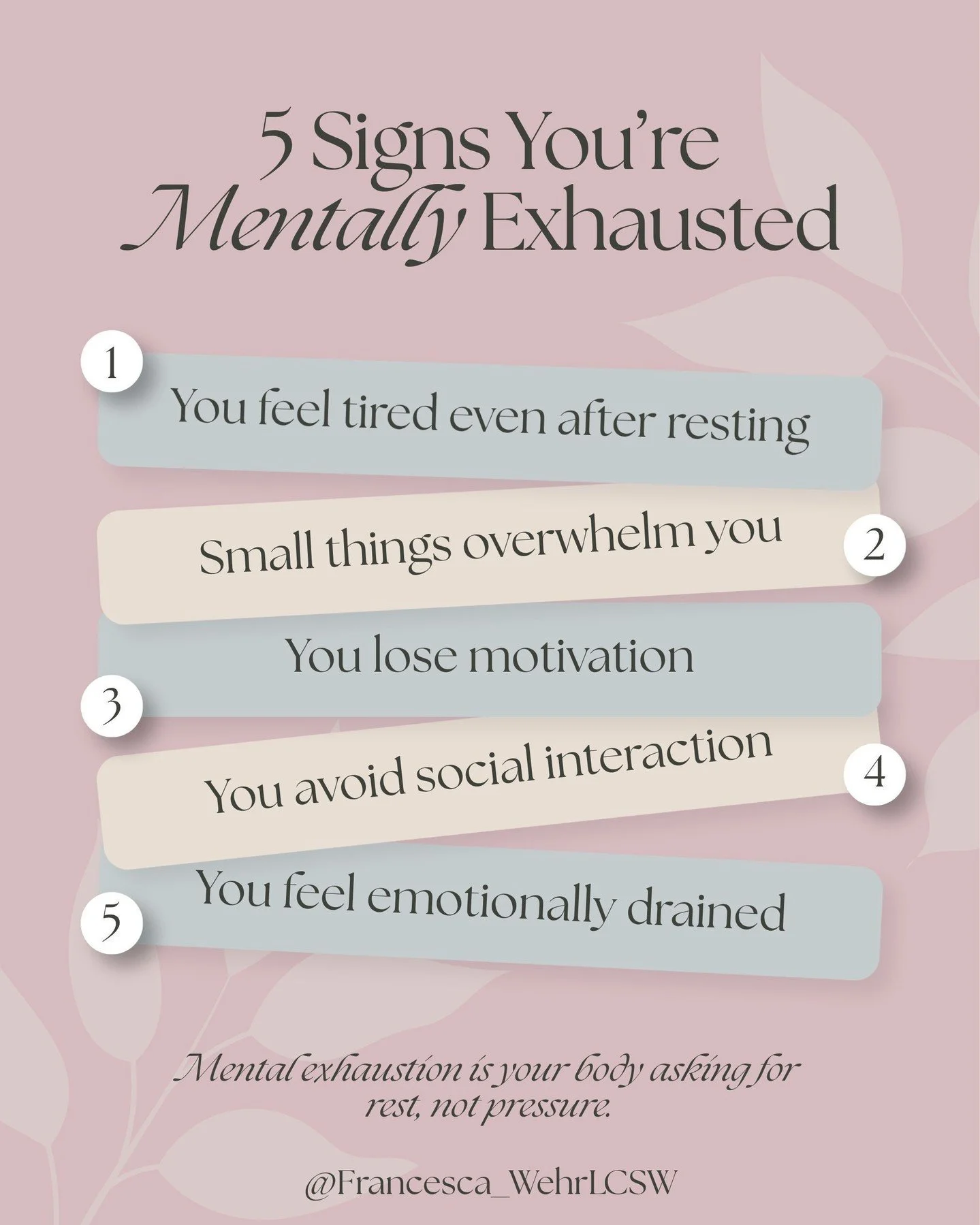
If you’re constantly overworked, sleep-deprived, or emotionally exhausted, your tolerance for frustration lowers significantly. Your body remains in a heightened state of stress, making you more prone to snapping over things that wouldn’t normally bother you.
Anxiety and Depression
Many people don’t realize that anger is often a symptom of anxiety or depression. Instead of appearing sad or worried, some individuals express their distress through irritability, short tempers, or feeling easily overwhelmed.
Unmet Emotional Needs
When you feel unheard, unappreciated, or like your boundaries are being violated, anger is a natural response. This is your body’s way of signaling that something is missing—whether that’s respect, love, or personal space.
Hormonal and Physical Health Factors
Imbalances in hormones (such as thyroid disorders, PMS, or menopause) can significantly impact mood. Additionally, lack of sleep, poor diet, and underlying health conditions can make you more irritable.
The Cost of Unchecked Anger
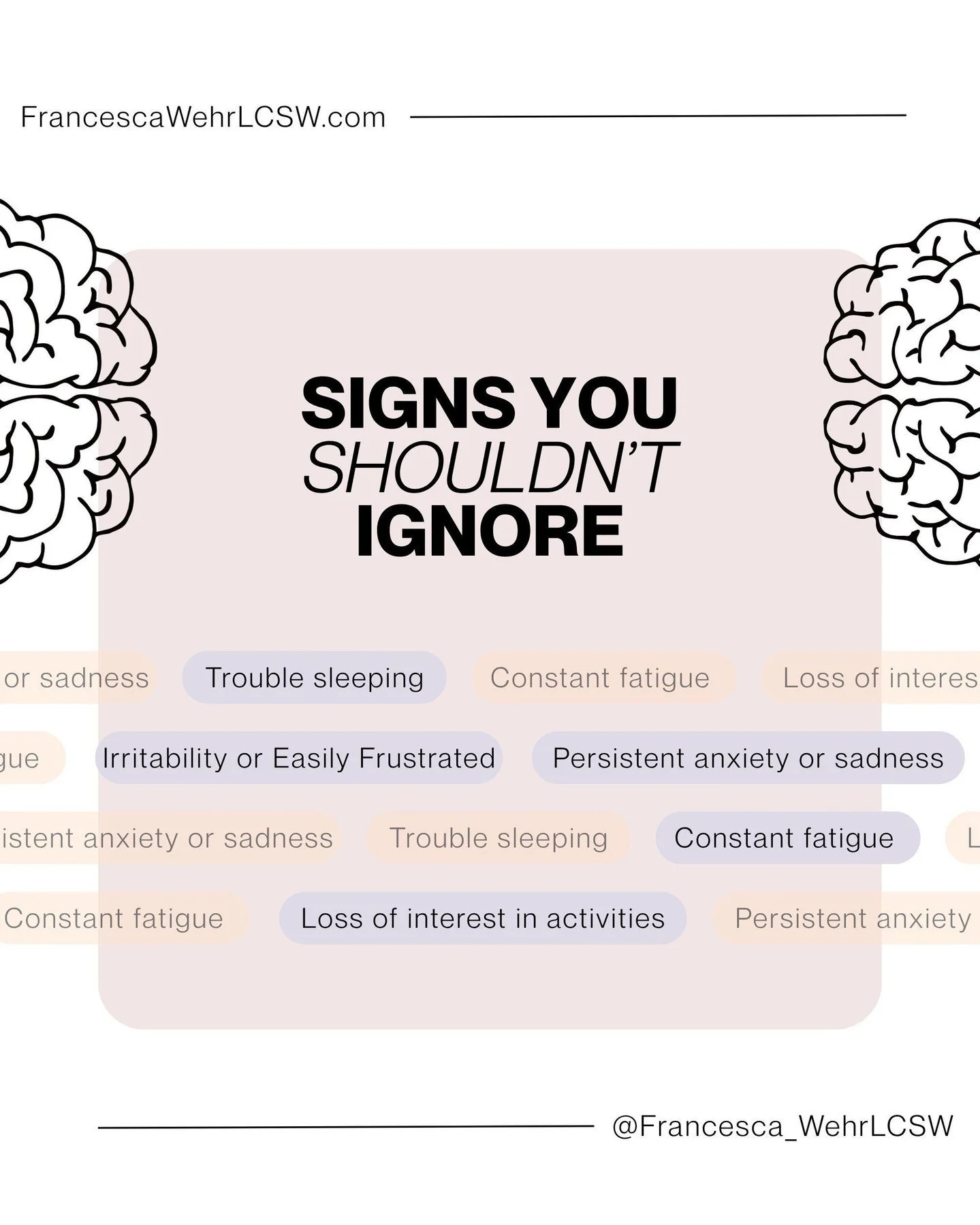
If left unmanaged, anger can damage your relationships, impact your career, and even lead to self-destructive behaviors. Here are some signs that anger might be negatively affecting your life:
Frequent arguments with loved ones or coworkers
Feeling out of control when you’re angry
Experiencing guilt or regret after reacting in anger
Feeling isolated because others avoid you
Using alcohol, food, or other coping mechanisms to numb emotions
Physical symptoms like headaches, muscle tension, or stomach issues
Recognizing these signs is an important step. But what comes next? How do you move forward?
How Therapy Can Help You Manage Anger and Irritability
Therapy isn’t about suppressing anger—it’s about understanding it. When you learn to process and regulate your emotions in a healthy way, you can transform anger from something destructive into something empowering.
What You Can Expect from Therapy
Identifying Triggers – A therapist can help you recognize patterns in your anger, pinpointing what sets you off and why.
Developing Healthy Coping Mechanisms – Instead of reacting impulsively, you’ll learn tools like mindfulness, deep breathing, and cognitive-behavioral strategies to manage frustration.
Healing from the Past – If unresolved trauma is fueling your anger, therapy provides a safe space to process it, so it no longer controls your emotions.
Setting Boundaries and Expressing Needs – Learning how to assertively communicate your feelings can prevent resentment from building up and leading to outbursts.
Finding Balance and Self-Care – Therapy helps you develop healthier habits, like better sleep, exercise, and stress management techniques, to improve your overall emotional resilience.
You Deserve to Feel Better
If anger and irritability are controlling your life, it’s not because you’re a bad person or “too emotional.” You’re reacting to something deeper—and there’s a way to heal.
Therapy can give you the tools to break free from the cycle of frustration and exhaustion. Imagine a life where you feel calm, in control, and better understood by those around you.
Take the first step today. Reach out and start your journey toward emotional balance and peace.