The Stress-Performance Curve: How to Use Stress to Boost Productivity Without Burning Out
Stress often gets a bad reputation, but did you know that not all stress is harmful? In fact, the right amount of stress can be a powerful motivator, pushing us to perform at our best. However, too little or too much stress can have the opposite effect, leading to boredom, overwhelm, or even burnout.
This is where the stress-performance curve—often visualized as a bell-shaped graph—comes into play. Based on the Yerkes-Dodson Law, this concept explains how different levels of stress impact performance. By understanding where you fall on this curve, you can optimize your stress levels, maximize productivity, and prevent burnout.
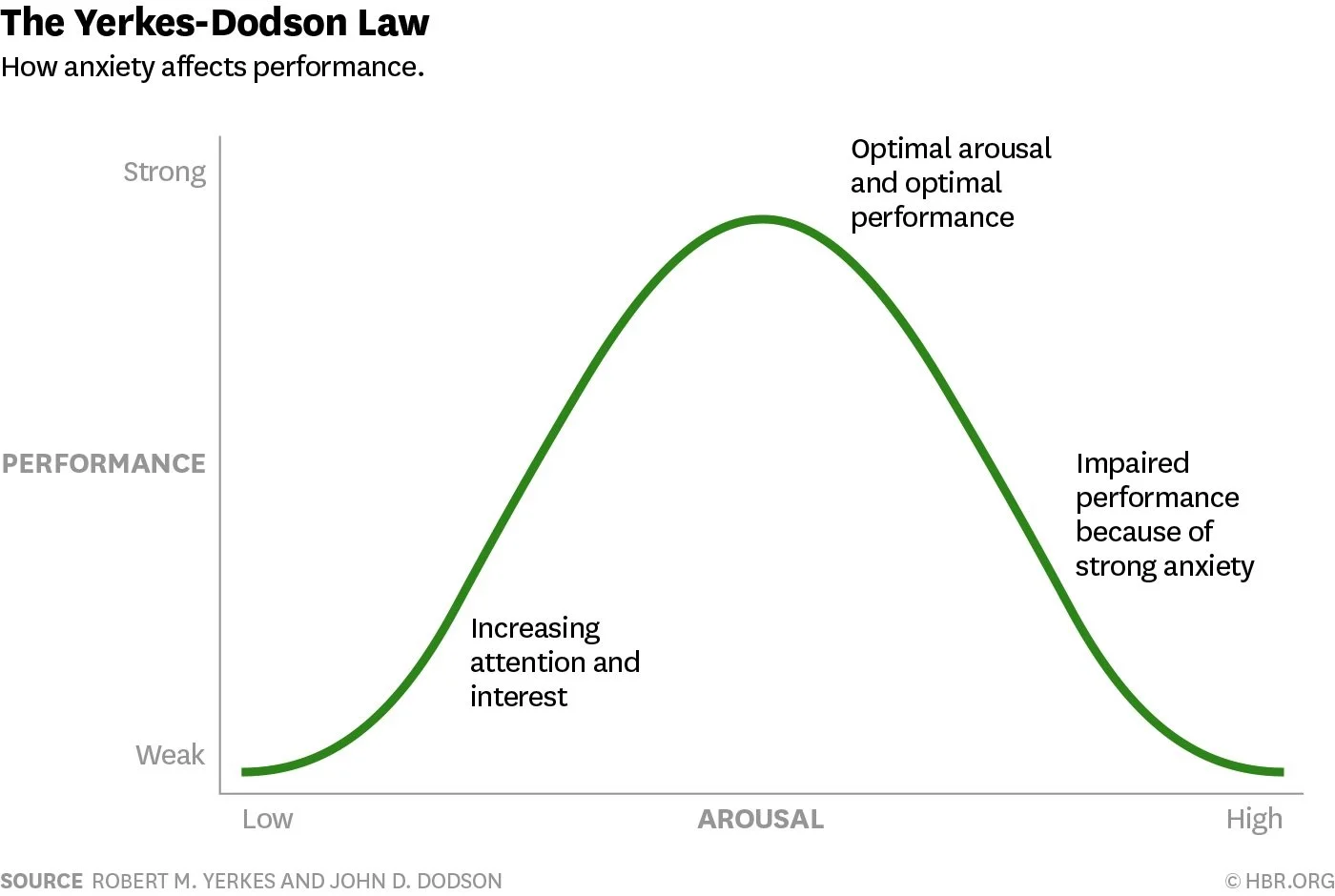
Let’s break down the four stages of the stress-performance curve and explore actionable strategies to stay in the optimal zone.
1. Too Little Stress (Underload) – The Danger of Feeling Stuck
What It Feels Like
Have you ever felt completely unmotivated at work, even when you have things to do? That’s the underload zone, where stress levels are too low to stimulate engagement. Tasks may feel too easy, monotonous, or uninspiring, leading to boredom and procrastination.
Signs You’re in This Stage
Apathy and lack of motivation
Low energy and frequent procrastination
Reduced creativity and difficulty focusing
Feeling unfulfilled or stagnant in your work
Impact on Performance
In this stage, productivity drops because there’s no urgency or excitement to push forward. Over time, chronic underload can even lead to feelings of dissatisfaction and mild depression.
How to Increase Engagement
Introduce New Challenges: Take on a project that pushes your skills or sparks curiosity.
Set Mini-Deadlines: Create small, time-sensitive goals to add urgency and motivation.
Try Task Rotation: Switch between different types of tasks to keep things fresh and engaging.
Track Your Progress: Visual progress (like checklists or progress bars) can help maintain momentum.
2. The Optimal Zone – Where You Perform at Your Best
What It Feels Like
This is the sweet spot—the zone where stress is just right, leading to peak focus, creativity, and efficiency. Athletes refer to this state as being "in the zone," where everything feels effortless and highly productive.
Signs You’re in This Stage
High motivation and deep focus
Quick problem-solving and creativity
A sense of flow—losing track of time while working
Feeling productive and accomplished
Impact on Performance
In the optimal stress zone, you're at your most productive and effective. Your brain and body are energized enough to respond efficiently, but not overwhelmed.
How to Stay in Peak Performance Mode
Use Time Management Techniques: Try the Pomodoro Technique (work for 25 minutes, then take a short break) to maintain focus.
Prioritize High-Impact Tasks: Focus on tasks that drive the most results when your energy is at its peak.
Set Achievable but Challenging Goals: Push yourself just beyond your comfort zone to stay engaged.
Use Positive Stressors: Public commitments or accountability partners can help maintain motivation.
3. Too Much Stress (Overload) – When Stress Starts to Backfire
What It Feels Like
If you've ever felt so overwhelmed that you couldn't even start a task, you’ve experienced overload stress. At this stage, stress impairs productivity instead of enhancing it.
Signs You’re in This Stage
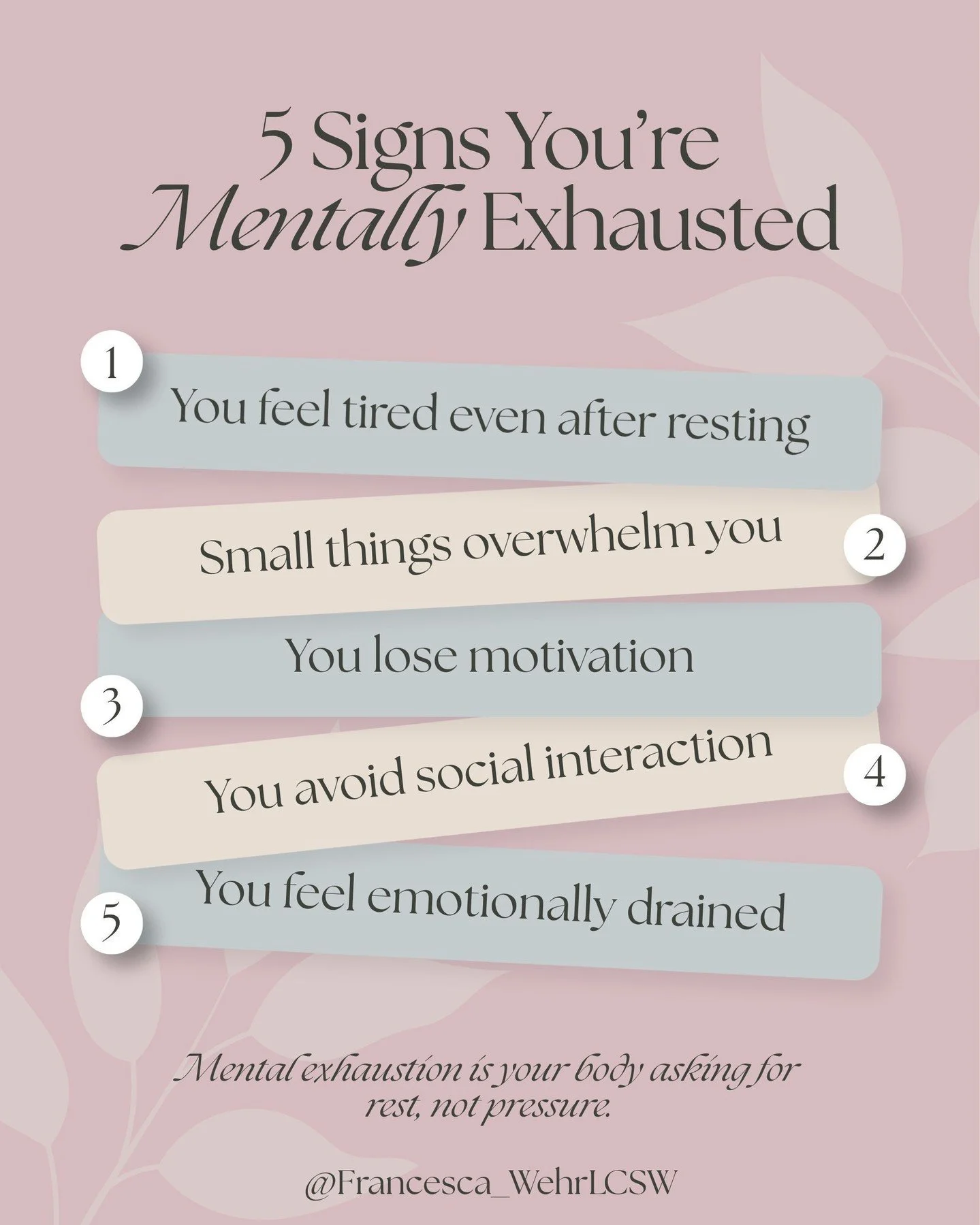
Chronic fatigue and mental exhaustion
Difficulty concentrating and frequent mistakes
Feeling stuck or unsure where to start
Increased frustration and procrastination
Impact on Performance
Productivity plummets as mistakes increase and decision-making becomes harder. Instead of pushing through efficiently, you may waste time correcting errors and struggling to stay focused.
How to Manage Overload Stress
Practice Mindfulness & Deep Breathing: Techniques like box breathing or meditation can help lower stress levels.
Take Regular Breaks: Short walks or stretching exercises can clear your mind and restore focus.
Set Boundaries: Learn to say no or delegate tasks when your workload is too high.
Focus on One Task at a Time: Multitasking can worsen stress—prioritize and tackle one thing at a time.
4. Burnout – The Breaking Point
What It Feels Like
This is the red zone—where extreme stress leads to physical, emotional, and mental exhaustion. Burnout is serious and can impact both work and personal life.
Signs You’re in This Stage
Constant exhaustion, even after resting
Feeling detached from work or life
Irritability, frustration, or hopelessness
Physical symptoms like headaches, sleep problems, or muscle tension
Impact on Performance
At this stage, performance crashes completely. Even simple tasks can feel overwhelming, and recovery requires taking a step back.
How to Recover from Burnout
Prioritize Rest & Recovery: Take time off, focus on quality sleep, and engage in relaxing activities.
Reconnect with Joy: Spend time with loved ones, revisit hobbies, and engage in activities that bring happiness.
Seek Professional Help: Talking to a therapist can provide valuable stress-management tools.
Reevaluate Workload & Goals: Sometimes, burnout signals that your goals aren’t aligned with your values. Consider making changes.
Key Takeaways: How to Stay in the Optimal Zone
Develop a Personalized Stress Management Toolkit – Experiment with different techniques (exercise, journaling, meditation) to find what works for you.
Regularly Check Your Stress Levels – Notice both physical (tense muscles, racing heart) and mental (irritability, lack of focus) signs of stress.
Balance Work with Personal Time – Make time for relaxation and hobbies to maintain a sustainable work-life balance.
Practice Self-Compassion – If you find yourself in the overload or burnout stage, don’t be too hard on yourself. Learning to manage stress is a process.
Adopt a Growth Mindset – See stress as a challenge rather than a threat, and use it as a tool for learning and improvement.
Final Thoughts
Stress isn’t the enemy—it’s how we manage it that determines our success. By understanding the stress-performance curve, you can harness stress as a tool for productivity, rather than letting it control you.
Stay attuned to your stress levels, adjust accordingly, and remember: Recovery is just as important as effort. Finding the right balance will not only boost your performance but also lead to a healthier, more sustainable approach to work and life.
Where do you currently fall on the stress-performance curve?